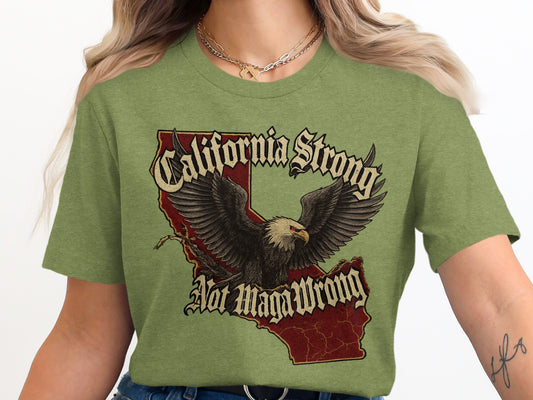
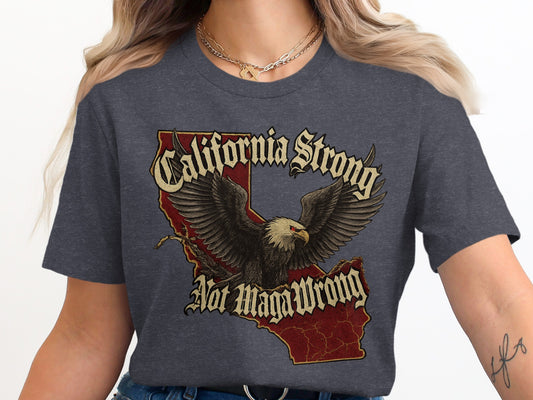
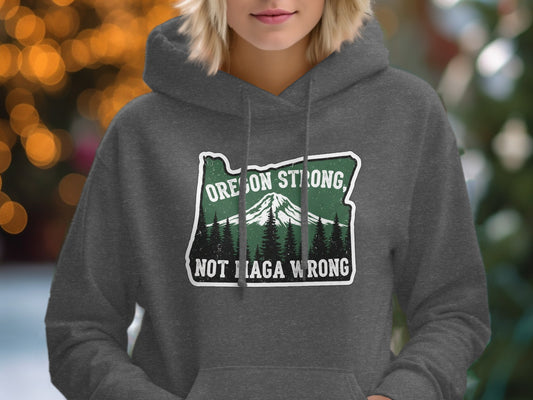
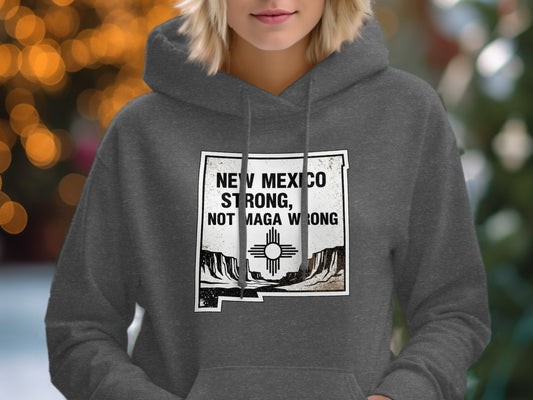
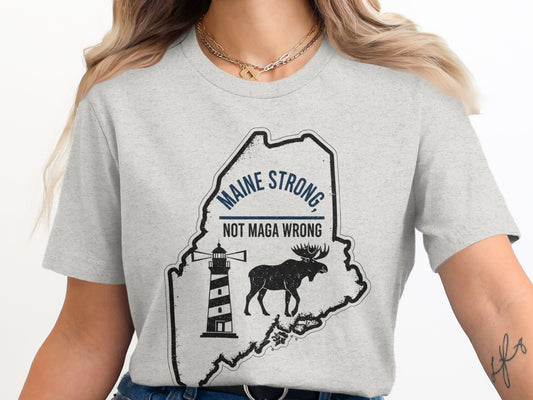
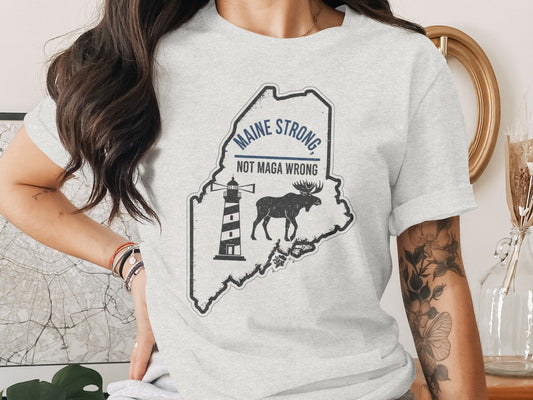
If you've seen the phrase "Chinga Tu MAGA" on a protest sign, a t-shirt, or scrolling through social media, you might be wondering what it actually means — and why it resonates so deeply with so many people, especially in Latino and immigrant communities.
Breaking Down the Phrase
Let's start with the Spanish. "Chinga" is a strong Mexican Spanish expletive derived from the verb chingar, which broadly translates to "f**k" in English. It's blunt, visceral, and unmistakably forceful. "Tu" simply means "your." So "Chinga Tu MAGA" translates, roughly, to "F**k Your MAGA" — with MAGA being the acronym for Donald Trump's political slogan "Make America Great Again."
The phrase is deliberately bilingual. Mixing Spanish profanity with an English political acronym is not an accident — it's a statement. It tells the listener: we exist in both worlds, we refuse to be silent in either, and we are done softening our rage for your comfort.
"Language is power. When marginalized communities reclaim profanity and boldly refuse dehumanizing politics, it's an act of cultural and political self-assertion."
Why It Carries So Much Weight
For millions of Latino and immigrant families in the United States, the MAGA movement has not represented greatness — it has represented deportation raids, family separation, vilification in political speeches, and policies that treat immigrants as threats rather than contributors. The phrase "Chinga Tu MAGA" is the sound of a community that has been told to go back, to be quiet, to disappear — and is responding with a definitive, unambiguous no.
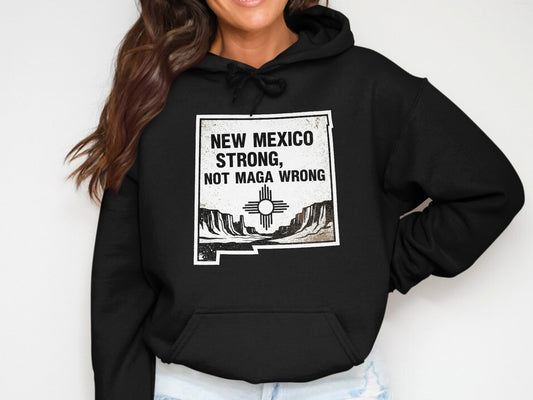
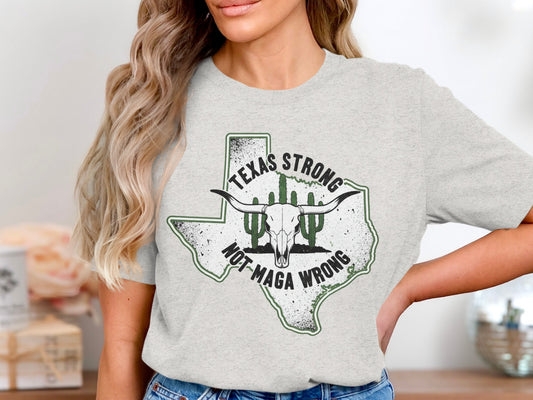
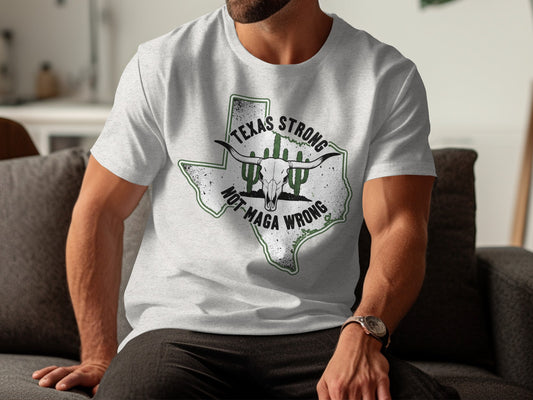
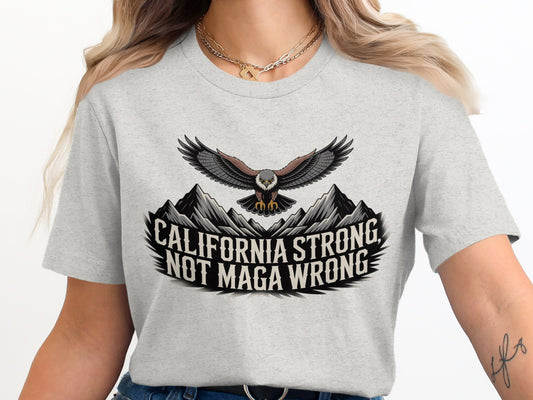
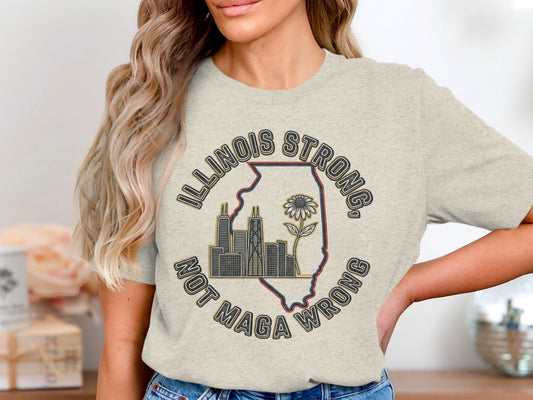
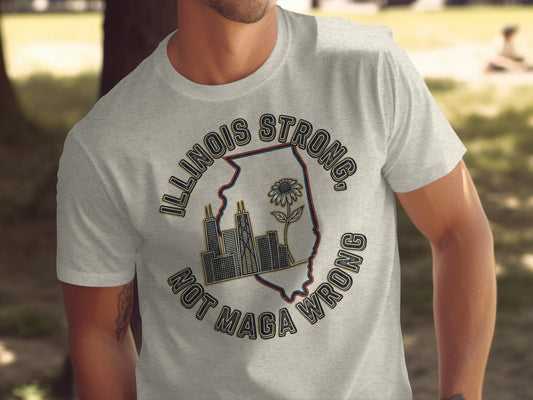
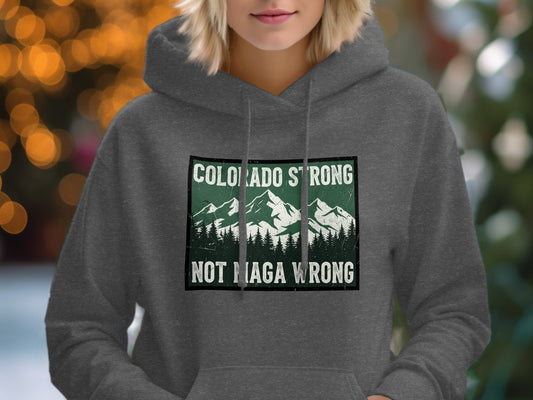
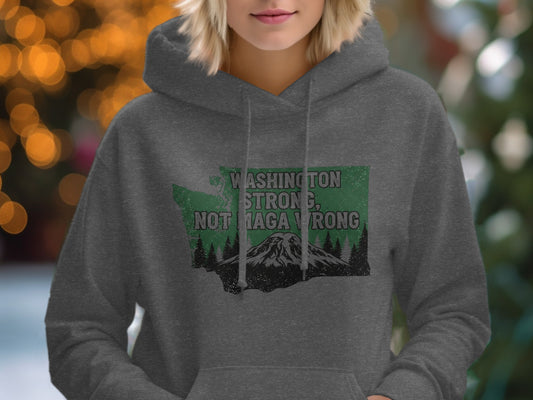
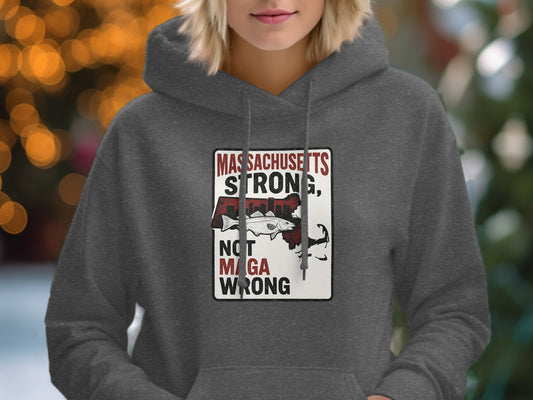
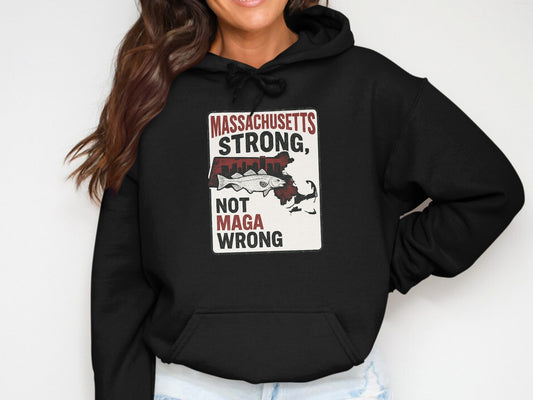
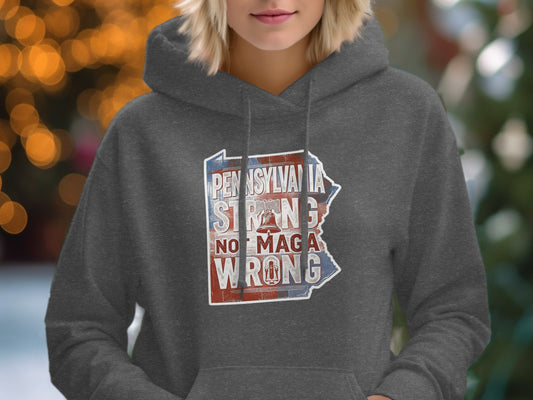
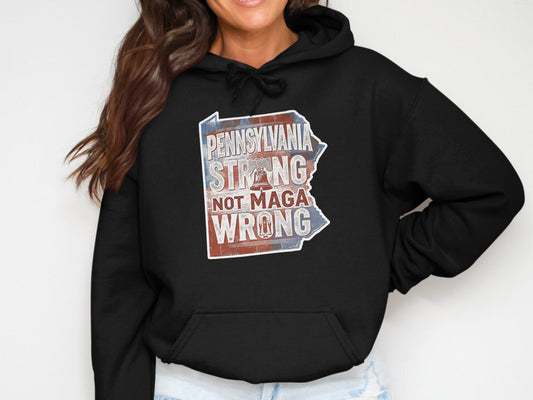
This phrase has shown up on protest signs from Los Angeles to Chicago, on murals in immigrant neighborhoods, and increasingly on apparel worn as a badge of resistance. Political expression through art and clothing has a long tradition in American civic life — from civil rights buttons to AIDS activism t-shirts. "Chinga Tu MAGA" belongs squarely in that lineage.
Expression, Art, and the Right to Belong
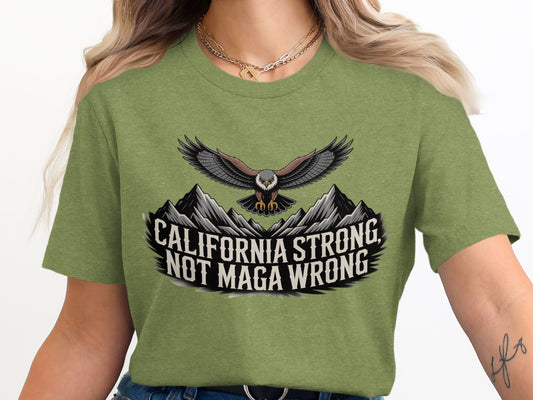
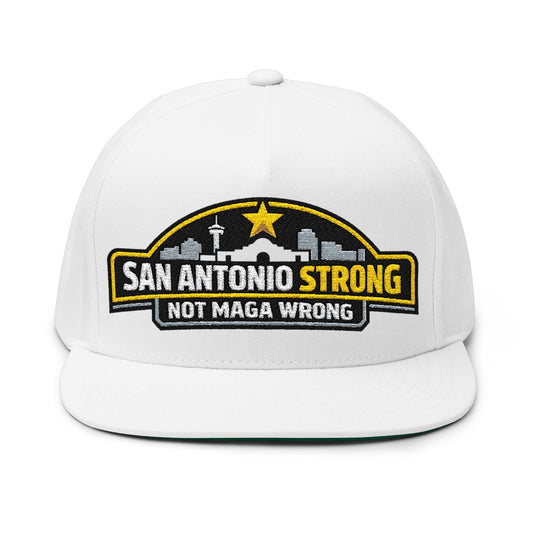
Today, brands like FixAmericaMerch.com carry that tradition forward. Their designs don't whisper — they speak, in English and in Spanish, in bold colors and unapologetic typography. Every piece is a wearable declaration that immigrants are not a problem to be solved; they are the fabric of this country.